In my current creative development, I am exploring female identity in middle age through photographic processes, autobiographical writing, and visual research. This project brings together my memoir work.
Why Middle Age Matters in Identity Work
Women in their 40s, 50s, and 60s often enter what researchers call the “invisible age,” a period where cultural attention shifts away from them. Yet this stage is rich with transition: hormonal change, shifts in family structure, new independence, and the re‑evaluation of self. Contemporary photographers such as Adi Carucci, Rania Matar, and Elina Brotherus have shown how middle‑aged identity can be reclaimed through honest, intimate, and self‑determined visual practices.
Their work resonates with my own experience of rebuilding identity after long periods of instability, supported living, and personal change. Photography becomes a way of being seen again — by myself and by others.
Connecting Photography to Identity Theory
The academic work I am currently reading — Identity Map: A Step‑By‑Step Guide to Using Self‑Portraits in Identity Research (Sica, 2026) — outlines how self‑portraits can reveal:
- past identity
- current identity
- hoped‑for future selves
- feared future selves
- possible selves
My Creative Approach
This project will combine:
- basic phone photography
- memoir writing
- identity‑mapping methods
- research on female visibility and ageing
I will create a series of images that explore my current self, my past self, and my possible future selves. These will be paired with short reflective texts, forming a hybrid visual‑narrative body of work.
The camera itself — thick, painted black, fed from the top — becomes part of the story.
Why This Work Matters
This project contributes to ongoing conversations about:
- women reclaiming visibility in middle age
- autobiographical art as identity reconstruction
- the role of slowness and imperfection in self‑representation
- Mythic role in feministic evolution
It is also a deeply personal exploration of how identity shifts in supported accommodation, recovery, and creative re‑emergence.
This blog post marks the beginning of my research phase — a space where theory, autobiography, and digital image‑making come together to explore who I am, who I have been, and who I am becoming.
Using Phone Photography as an Accessible Identity Tool
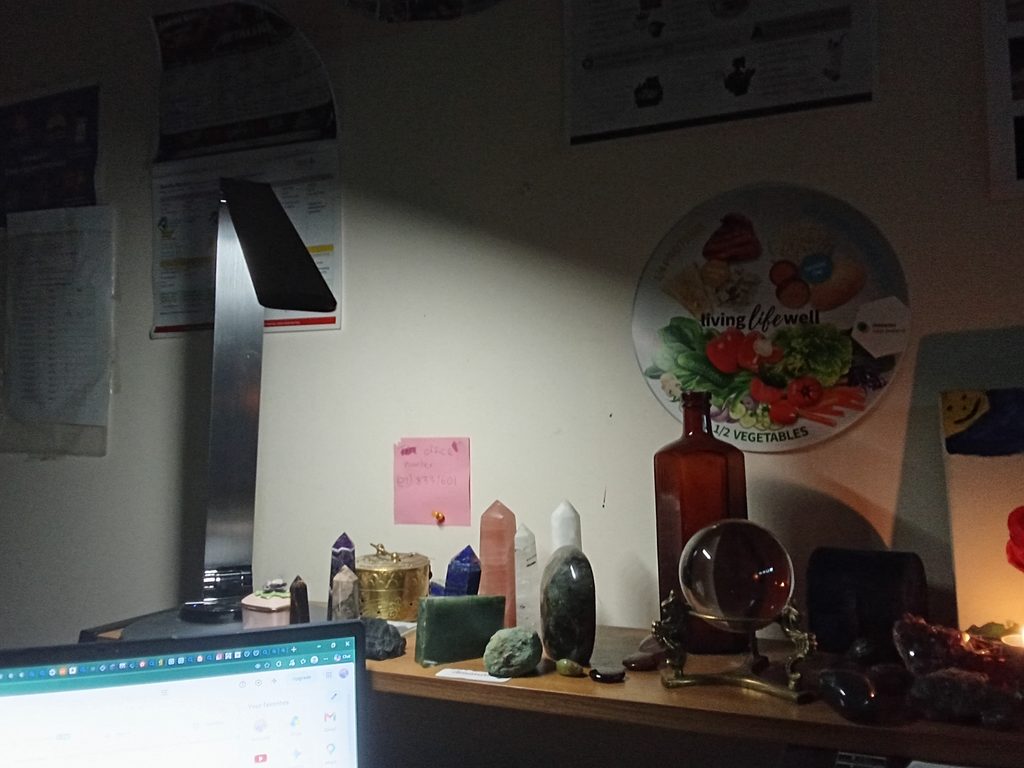
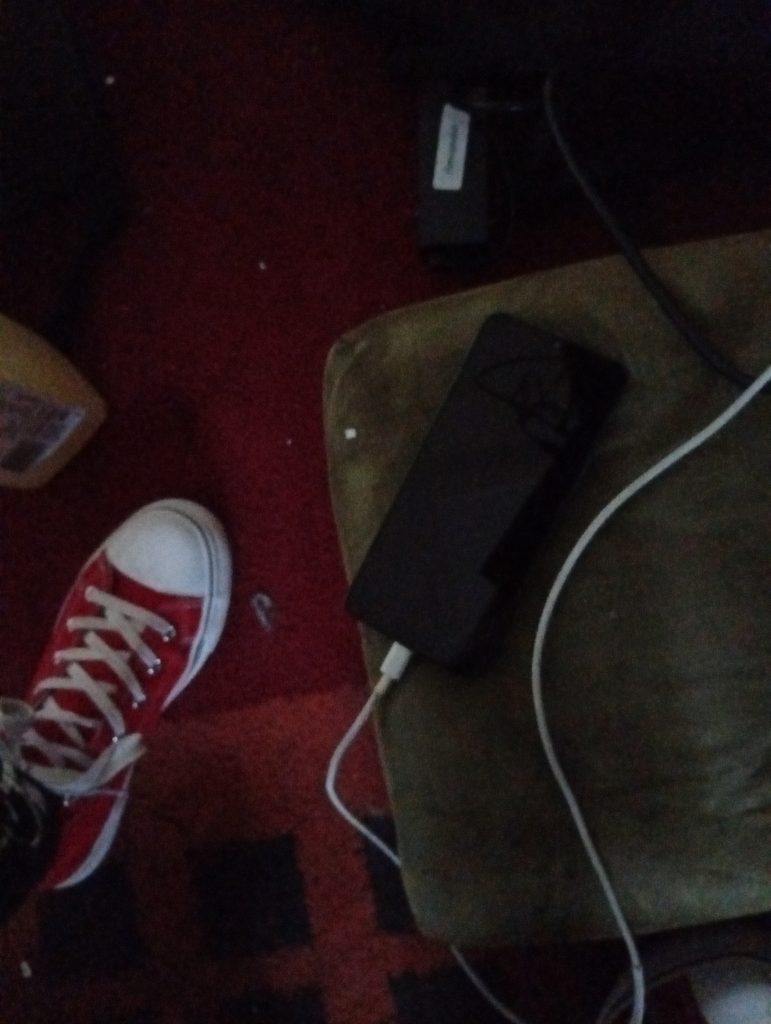
While my Canon 650D is currently awaiting professional cleaning, I am using basic phone photography to begin exploring the visual themes of this project. Phone images allow me to work immediately and intuitively, capturing moments of self‑reflection, environment, and daily life.
This early phase is important: it lets me test ideas, observe how I respond to being photographed, and begin mapping identity through simple, accessible methods. These images act as sketches — visual notes that will later inform my work with the DSLR.