Mandy's Recovery Journey is a real, ongoing story of healing from addiction and mental health struggles to a life of empowerment, self-respect, and freedom from cravings. This space is for honesty, hope, and the reminder that recovery isn’t about being perfect – it’s about not giving up on yourself, or your family.
It’s good to be back online in New Zealand. It’s a sanctuary compared to the UK,
I’m pleased to say that I’m Supported Living, with other people. I’m hoping to get a grant soon. I’ll find out in due course. Anything is possible. I’m hoping to clean my camera lenses and mirror.
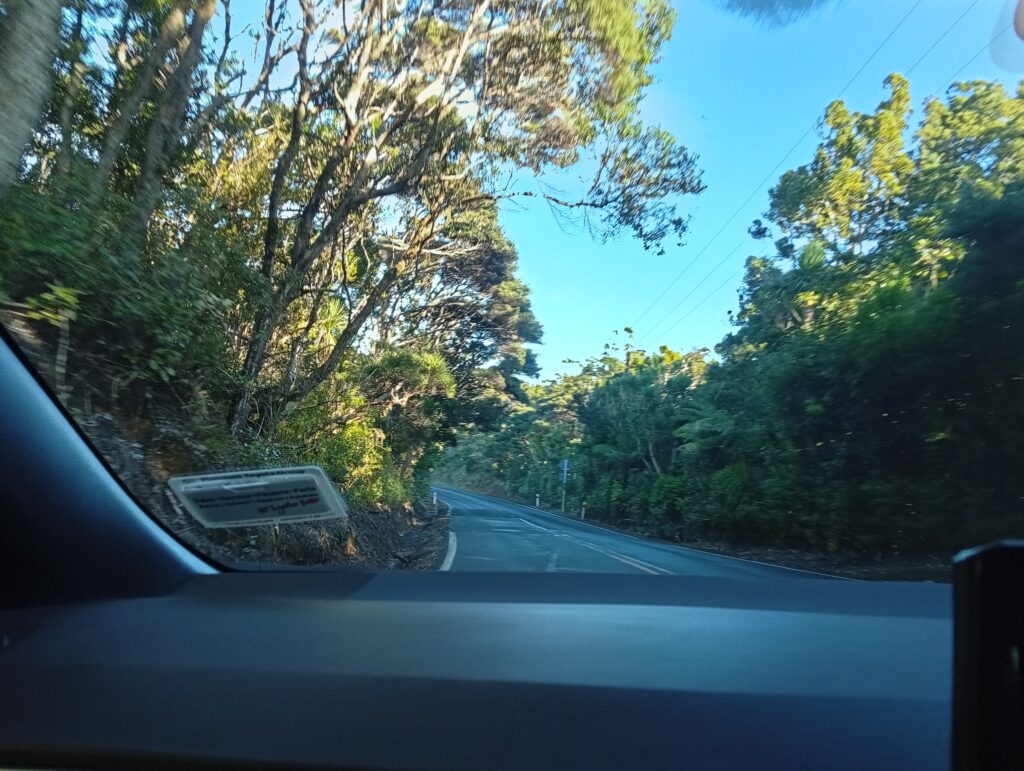
Taken during a drive to Piha with my MHP. I photographed several scenes that day, but this was the only image that stayed with me. This is the Waitakere Ranges.
It’s been an amusing day. It started with me being a little manic early this morning, but I’ll leave the details to your imagination. Some things are best not committed to writing.
You’ll get to know me through my posts, but those who know me personally will tell you that I’m a bit of a character with a rather dark sense of humour. In my next life I’d like to be a comedian. I think I could pull it off. Making people laugh is one of the few things I’ve always been reasonably good at.
It’s been 15 months since I stopped drinking, and I’ve been thinking a lot about how different life feels now. Things aren’t perfect, and I still have difficult days, but I’m slowly finding a steadier way of living.
Someone from my past saw me recently and said I look better than I used to. It was a small moment, but it stayed with me. Sometimes change is slow and quiet, and you don’t notice it until someone else does.
I’m taking practical steps with my life, sorting out finances, and waiting to hear back about an application that was acknowledged. Even small bits of progress feel meaningful right now.
Creatively, I’m reconnecting with photography again. A lecturer I had years ago offered to send me a wooden pinhole camera he made. It’s been sitting in his cupboard for twenty years. His kindness means more than I can say, and it’s reminded me that there are still parts of myself worth returning to.
Working with pinhole photography takes me back, when I was doing my Diploma and exploring identity through light, shadow, and quiet reflection. Working on identity and creativity now with my photography is reflecting how I’ve changed. I’m changing as I get older, resilience is key. Life has a way of working itself out, the older I get the stronger I get. I’m looking forward to a creative future. A year ago I wouldn’t have been thinking about it the way I am. I’m being quietly positive, with goals that I’ve set for myself. Not something someone else wants me to be.
I’m not trying to paint everything as perfect. I’m just acknowledging that things are shifting, slowly, and I’m doing my best to keep moving forward.
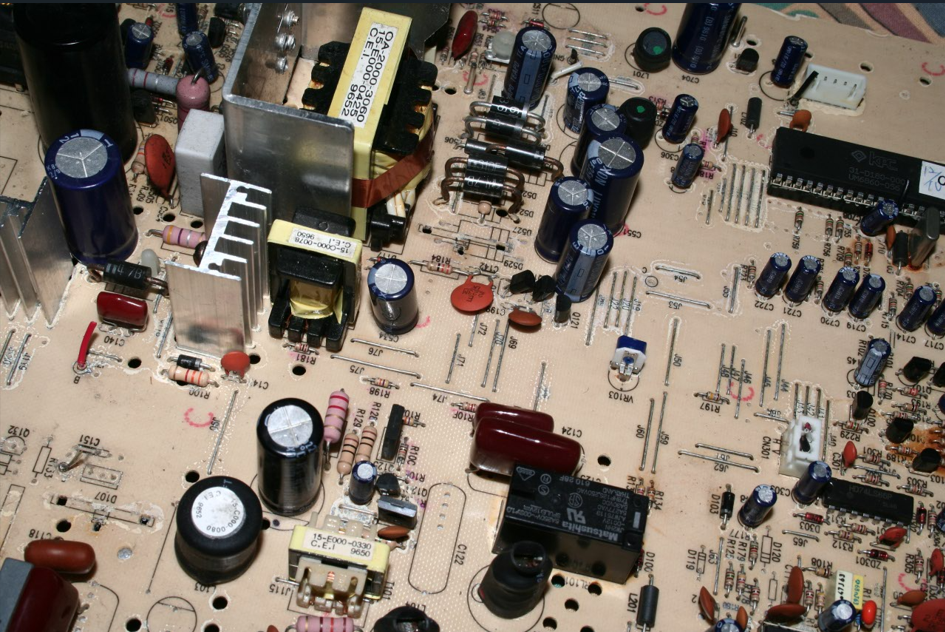
The board rises like a silent reactor, its towers humming with nothing but harmless current. Copper pathways glow like dusk-lit roads, carrying only intention, never danger.
In this tiny industrial dreamscape, everything is connected, everything is calm — a reminder of a New Zealand that chose clarity over fallout, light over threat, and a future powered by peace. No nuclear warheads here in GodZone.
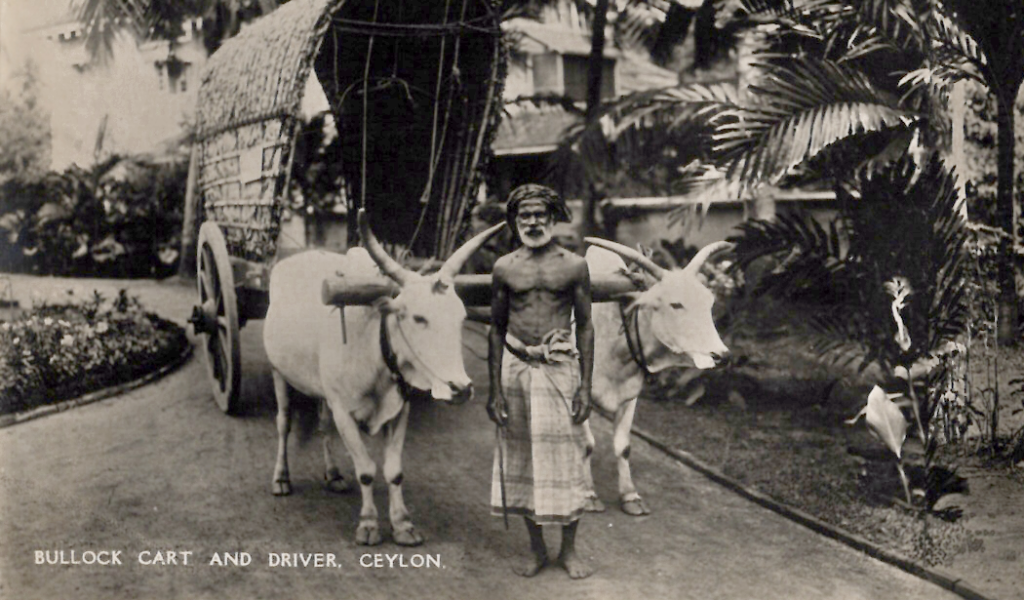
Among the vintage postcards I’ve been sorting through, this one stood out immediately. Titled “Bullock Cart and Driver, Ceylon,” it captures a moment of everyday life from a country that no longer exists under that name. Ceylon became Sri Lanka in 1972, which makes material from the earlier period especially interesting to collectors and historians.
The photograph shows a traditional bullock cart — a form of transport used for centuries — with its driver standing beside the oxen. The woven canopy, wooden wheels, and the driver’s attire all reflect the rural culture of the time. Cards like this were often produced for travelers and early tourism markets, offering a glimpse into local life long before modern photography became widespread.
Holding this postcard, I find myself wondering about the man in the photograph — what his day looked like, whether he ever imagined someone half a world away would be studying his image decades later. There’s something grounding about that. These small pieces of history remind me how connected we all are, even across time, place, and circumstance. Sorting through this collection has become more than organisation; it’s a way of honouring the lives and moments that slipped into the past but still have something to say.
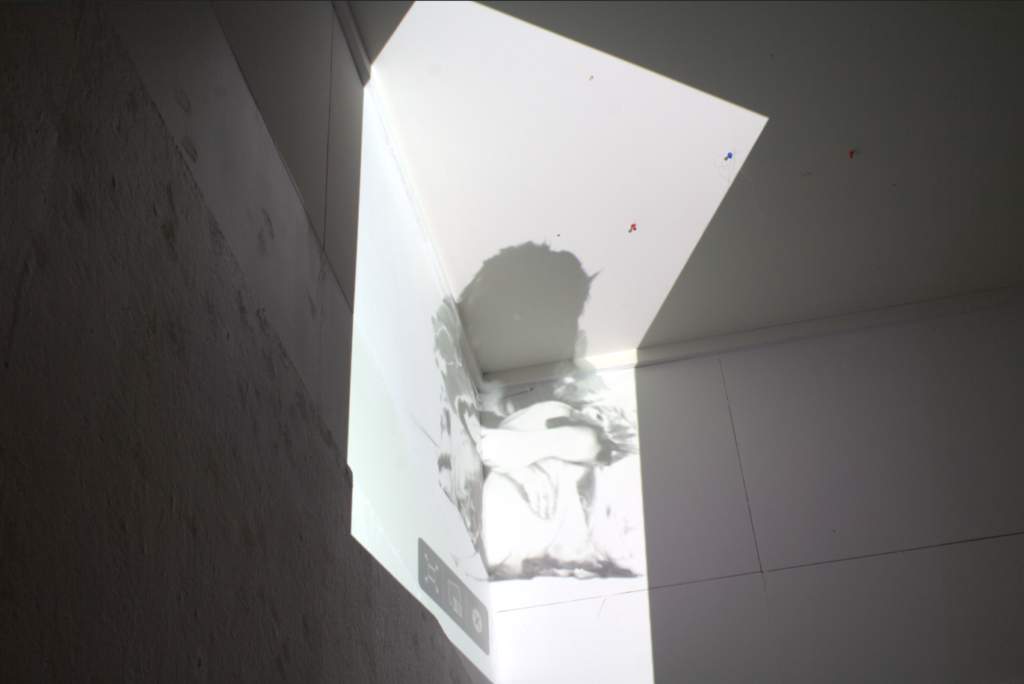
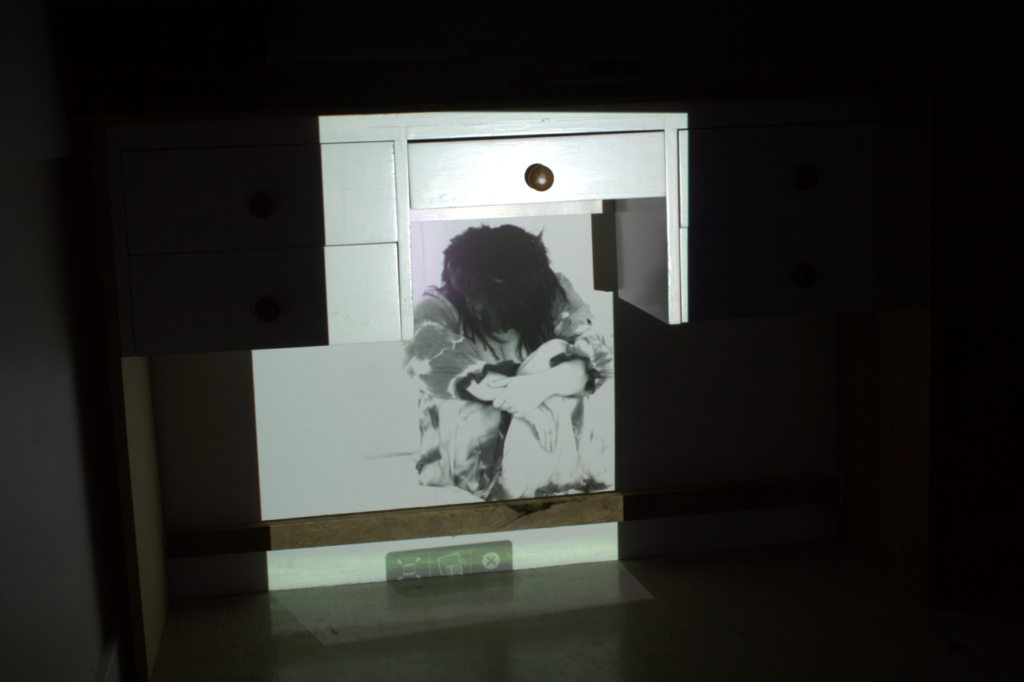
Projection study exploring identity, memory, and emotional presence.
I felt at home during my Diploma in Visual Arts — it was full on, intense, and transformative. This projection is from my final exhibition, created during a period where I was exploring identity, distortion, and the way memory bends quietly through light and shadow.
At Rutherford MIT Satellite we were encouraged to work with recycled materials, to make art from whatever we could find. The inorganic collection happened that same year, and suddenly the streets were full of discarded objects waiting to be reimagined. This projection was part of that journey — a moment where my inner world met the surfaces around me.
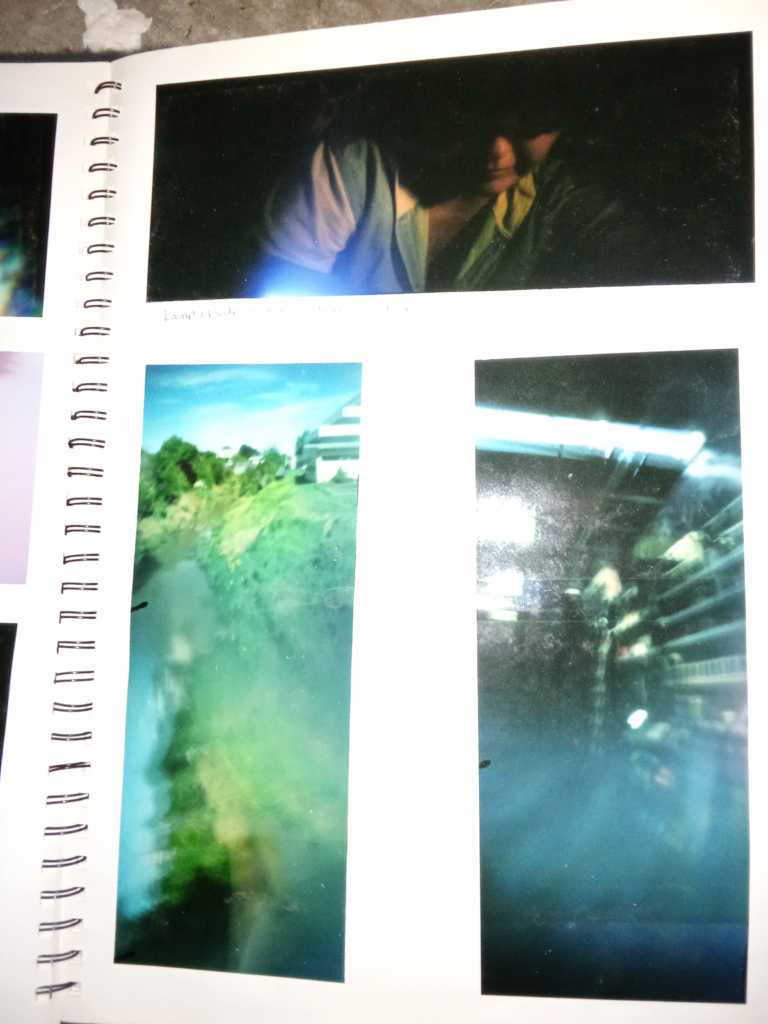
These images were taken with a pinhole camera I built myself — cardboard, black paint, and black thick adhesive tape holding the front cover together. To take a photo, I’d flick the little flap open for a fraction of a second and hope the exposure landed somewhere interesting. Somehow, the results were always surprising.
I had the photos printed professionally at the time, and they became part of the visual diary that got me accepted into Unitec. I ended up in total for three years, exploring photography, and visual language.
Before that, I’d tried working in darkrooms, but I found them too confining. I preferred the freedom of experimenting with my old Canon 350D, wandering around and capturing strange, dreamlike moments. Surrealism suited me — the unpredictability, the imperfections, the way an image could feel like a memory or a dream instead of a literal record.
I also worked on subjects such as OCD in both film and video. That was healing in it’s own way.
Looking at these pages now, I realise how much that creative freedom meant to me. And I’m feeling it again lately — that quiet pull back toward making things, revisiting old work, and letting myself enjoy the process without overthinking it.
I’m not going to stress about finances. I’m choosing creativity today.
This photograph comes from a projection piece I created during my Diploma in Visual Arts under MIT. It was part of my final-year work, where I began using projection as a way to explore how internal states can occupy physical space.
At the time I was dealing with social anxiety and a deep sense of personal inadequacy, and art became the place where I could examine those feelings safely. This projection was one of the first works where I realised that visual expression could help me understand and process what was happening inside me.
This projection was one of the works that helped shape my visual language, and it remains an important part of how I learned to translate inner experience into photographic form.
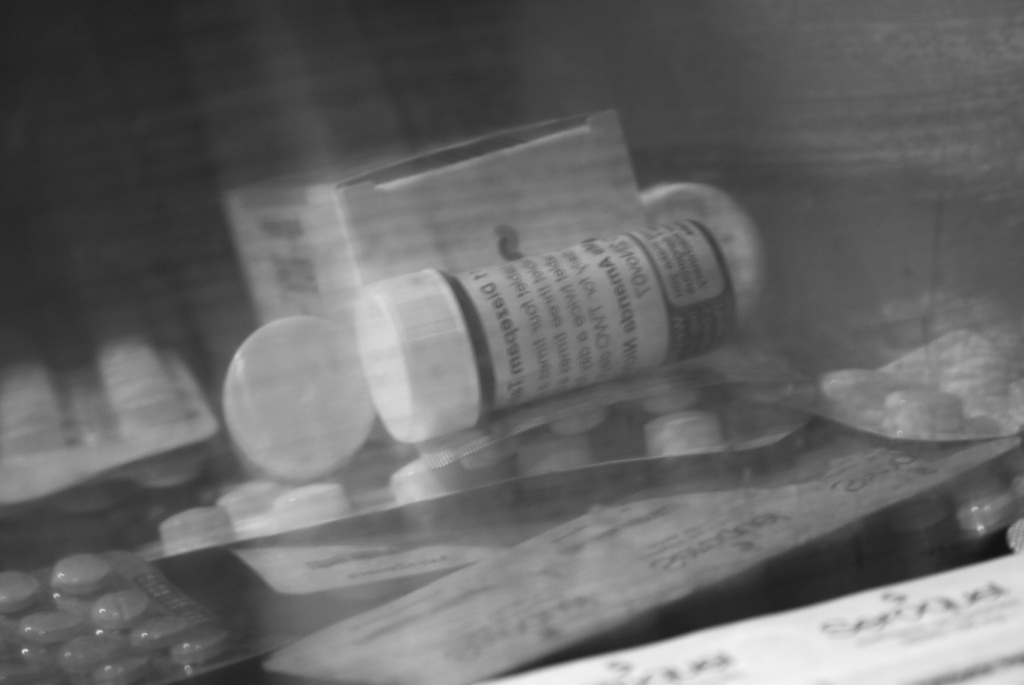
During my final year at Unitec I was heavily medicated, and this photograph documents part of that period. I shot the medication on a blurred, reflective surface using a long exposure, letting the instability in the image echo the instability I felt at the time.
This work sits alongside my Final Year 2 video on Obsessive Compulsive Disorder, created in honour of my mum, who lived with severe OCD. The pairing of still image and moving image was part of my exploration into how internal states can be expressed through distortion, repetition, and atmosphere.
The photo was taken on my old Canon 350D — a camera that’s now covered in mould, making it strangely fitting for revisiting work from that chapter of my life. Even in its current state, it still produces images with a texture and unpredictability that I’ve come to appreciate.
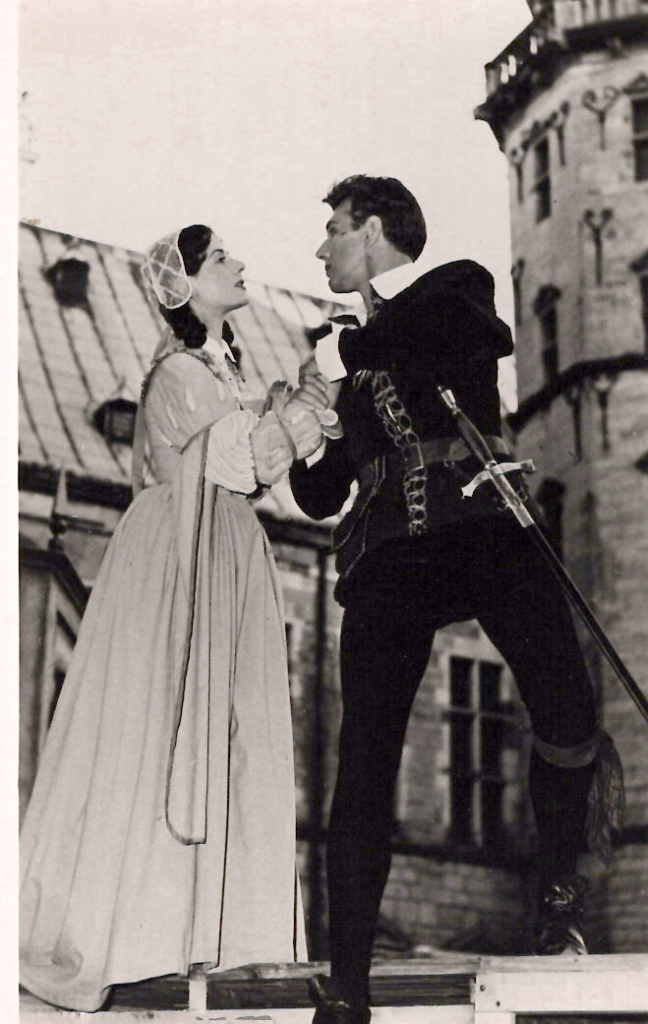
Hamlet at Kronborg Castle, 1950 — Michael Redgrave & Yvonne Mitchell
This postcard is from the 1950 production of Hamlet at Kronborg Castle in Denmark, the real Elsinore. It features Michael Redgrave as Hamlet and Yvonne Mitchell as Ophelia.
Today I found a vintage postcard from the 1950 production of Hamlet at Kronborg Castle in Denmark — the real Elsinore. It features Michael Redgrave as Hamlet and Yvonne Mitchell as Ophelia. This performance was historically significant, and postcards from it are now considered collectors items. I’m sorting through a number of old theatre pieces, and this one is a lovely surprise.
This performance was historically significant, and postcards from it are now considered collectors items. I’m beginning to sort through a number of vintage theatre pieces, and this is the first to be added to my Archival Collectors category.
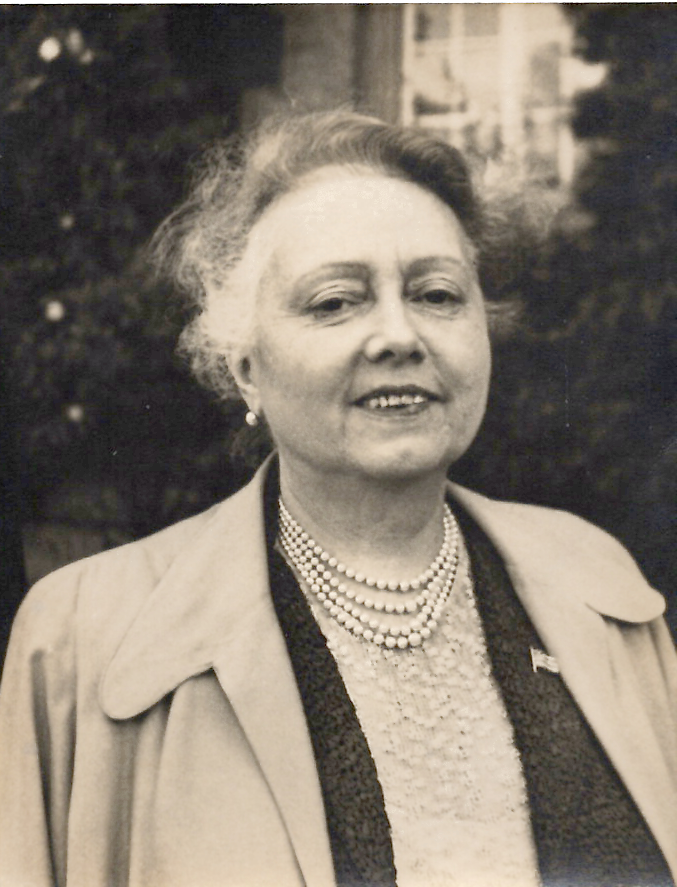
I was given this photo with a collection of postcards from a lovely lady from Freecycle. You can find in the link below. https://www.freecycle.org/find-towns
Born in Merseburg, Schumann trained for a singing career in Berlin and Dresden. She made her stage debut in Hamburg in 1909. Her initial career started in the lighter soubrette roles that expanded into mostly lyric roles, some coloratura roles, and even a few dramatic roles. She remained at the Hamburg State Opera until 1919, also singing during the 1914/1915 season at the Metropolitan Opera, New York.
Elisabeth Schumann died in New York City, New York. She was buried in St Martin’s Church, Ruislip, England.
This photo was taken by Mickael Parkin
Michael Parkin has been dealing in Modern British Art for over 40 years, opening his first gallery in Belgravia in 1972. Michael died in 2014 -but his widow Diana continues to sell in his spirit. ..