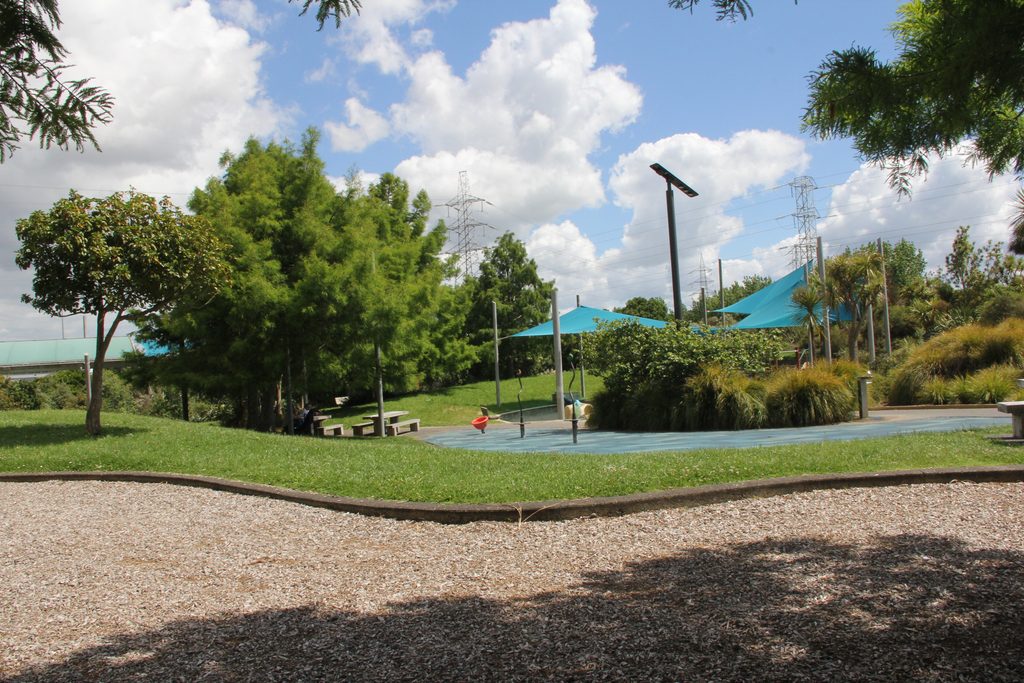
The park was quiet except for the movement of clouds overhead and the occasional rustle of leaves. For a while, there was nowhere I needed to be and nothing I needed to achieve. In that space, I began to consider a question that has followed me throughout my life: how does a person establish an identity, and can art help provide the answer?
My favourite subjects at school were English Language, Art, and History. One of my earliest artistic revelations was learning how to stretch watercolour paper. We soaked the paper in water before fixing it to a board with brown water-based adhesive tape. It transformed the way I worked and led to many years of enjoying watercolour painting. Although I have not painted in that medium recently, I would happily return to it under the right circumstances.
Many years later, I completed a Diploma in Visual Arts through MIT at Rutherford College. The experience felt like being immersed in a vast range of artistic methods and disciplines. For the first time, I felt comfortable calling myself an artist. The practical work came naturally, but I found the theory component challenging. Eventually I mastered that as well.
A year or so later, while studying for my degree at Unitec, I received an A for my first theory essay. I remember taking my son with me and being proud to show him that achievement. He was proud too. At the time, I hoped to encourage him to consider tertiary study later in life.
One of the greatest frustrations I face as an artist is the loss of much of my earlier work. After finishing at Unitec, I stored photographs and documentation of my projects on an external hard drive. It disappeared from my home and has never been recovered. Some work survives on DVDs, but many of those discs have deteriorated with age.
Today, photography remains my preferred medium. During my studies I explored many forms of artistic expression, but photography consistently drew me back. Macro photography in particular became a passion. I am fascinated by details that often go unnoticed: insects, bees, flowers, plants, and the intricate structures found in nature.
As a woman approaching sixty-one, I am also conscious of how identity changes throughout life. In younger years, much attention was directed toward my appearance. As I entered my fifties and sixties, I became increasingly aware of what many women describe as a form of invisibility. Society creates markets for women at every stage of life, from adolescence to motherhood and beyond, yet older women are often overlooked in public spaces and cultural conversations.
Perhaps this is why establishing an identity as an artist feels so important. Art offers an opportunity to be seen for something deeper than age or appearance. It allows experience, observation, and personal perspective to take centre stage.
Identity has always been a complicated subject for me. I experienced social anxiety from a young age and often found it difficult to enter groups or feel that I belonged. My teenage years were shaped by movement between foster homes and local authority care. I changed schools frequently and never had the opportunity to establish a stable sense of self or community. In some ways, that search for identity continues today.
Art may be the place where those experiences finally connect. Through photography, I can explore themes of belonging, environment, observation, and resilience. I am particularly drawn to environmental subjects and concerned about issues affecting New Zealand’s natural world. These concerns influence the images I hope to create in the future.
My ambition is to become a respected international artist, recognised for the clarity of my vision and the quality of my work. The practical steps are surprisingly simple. One of my next goals is to contact my local gallery to learn about the cost of holding an exhibition. Every professional journey begins somewhere, and for me, that conversation feels like the beginning of a new chapter.