Mandy's Recovery Journey is a real, ongoing story of healing from addiction and mental health struggles to a life of empowerment, self-respect, and freedom from cravings. This space is for honesty, hope, and the reminder that recovery isn’t about being perfect – it’s about not giving up on yourself, or your family.
I wish he was here. I didn’t mean to hurt him. He’s forgiven me. He came to the hospital unit and gave me a hug. My autobiography will go into further details regarding ongoing events.
That’s all I want. I want to see my Granddaughter too. I’m hoping to spend Christmas there.
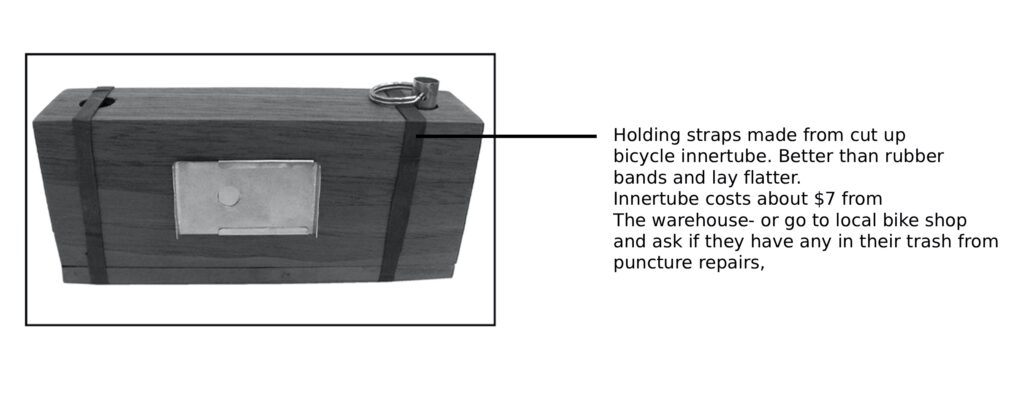
This is the camera I’m expecting — a handcrafted wooden pinhole camera, generously given to me for free by the tutor who originally taught me the technique.
I’ve only paid for courier postage with signature required. Even though it’s a simple object, it’s worth a great deal to me. I’ll be using it to create photographs that explore the enigma of identity.
Pinhole cameras produce an extraordinary variety of results: soft blur, long‑exposure movement, vignetting, distortion, and the quiet unpredictability that comes from working with nothing more than a tiny aperture and time.
Every image becomes an emotional imprint rather than a literal record, making pinhole photography the perfect medium for examining identity in all its shifting, uncertain forms.
Working with this camera also reconnects me with my early visual‑arts training. During my Diploma in Visual Arts at Manukau Institute of Technology, pinhole photography was one of the first techniques that taught me how light behaves when everything is stripped back to its essentials.
We learned to build cameras from simple materials, load photographic paper by hand, and trust the slow, deliberate process of long exposures. Returning to this method now feels like revisiting a foundation I never lost — a quiet, tactile way of making images that aligns perfectly with the identity‑based work I’m exploring today.