When I decided to get sober, I realised something important: recovery isn’t just about stopping drinking. It’s also about changing the environment that keeps old habits alive. For me, alcohol shops were everywhere — familiar places, familiar patterns. So I made a deliberate choice to move into supported living. It wasn’t about running away. It was about creating distance, safety, and a space where I could actually breathe.
I’ve now been sober for about thirteen months. In the beginning, cravings were unpredictable. Some days were quiet, others were loud. That’s normal in early recovery — the brain is still adjusting, still rewiring itself after years of routine.
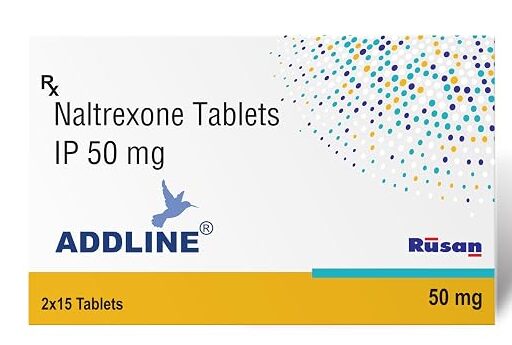
Three months ago, I started Naltrexone. It’s a medication often used in alcohol recovery because it helps reduce the rewarding “pull” that alcohol can have on the brain. It doesn’t create sickness or punishment. Instead, it works on the receptors involved in craving, helping to soften or even silence that urge.
In my case, the change was clear. Since starting Naltrexone, I haven’t had any urges at all. Not reduced urges — none. It’s like the background noise that used to follow me around simply faded away. Supported living helped remove the external triggers. Naltrexone helped quiet the internal ones. Together, they’ve made sobriety feel steadier, calmer, and far less like a daily battle.
Everyone’s recovery path is different. I’m not offering advice or telling anyone what to do — I’m simply sharing what has helped me feel safe and grounded. If you’re on your own journey, you deserve support, compassion, and options that make life quieter inside. Healing isn’t about perfection. It’s about finding what helps you move forward with clarity and peace.